
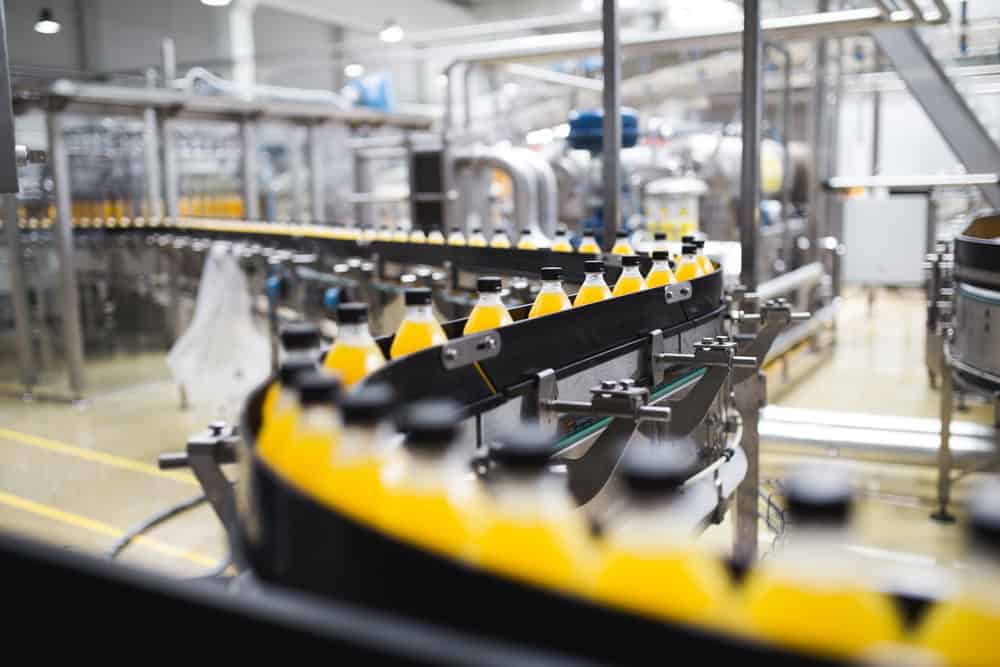
Many industrial systems communicate across internal networks and cloud platforms, which expands the factory’s attack surface.
Connected industrial equipment, like CNC machines, laser cutters and robotics, introduce new digital entry points that cybercriminals are quick to exploit. Weak defenses in operational technology environments give attackers the foothold they need.
Once inside, threat actors can tamper with machine settings or encrypt systems to demand ransom. The consequences of such breaches are immediate and severe, as they can disrupt schedules and halt supply chains. With so much riding on uninterrupted operations, even a short disruption puts revenue and customer commitments at risk.
Why Cybercriminals Target Industrial Equipment
Industrial machines support revenue-critical production workflows across modern factories. The data stored in industrial control systems includes production recipes and operational insights that hold real value for attackers. This combination of physical output and digital intelligence makes connected platforms attractive targets.
Even an hour of downtime can disrupt schedules and delay shipments. That level of disruption creates immediate financial pressure on operations teams. Cybercriminals exploit this urgency, knowing it can quickly escalate into operational chaos.
Common Cyberthreats Facing Industrial Systems
Ransomware, unauthorized access and supply chain compromise dominate attack patterns targeting industrial environments. Cybersecurity experts predict that ransomware attacks will occur every two seconds by 2031, underscoring how quickly the threat landscape escalates. Manufacturing operations with high-value equipment sit directly in the crosshairs.
Cyberattacks on industrial equipment can lead to immediate production shutdowns and physical damage that ripples across operations. Manipulated control logic, like altered motor speeds or disabled safety interlocks, can expose workers to serious injury while pushing faulty products down the line. As operations stall, factories are forced to activate crisis plans on the fly, revealing weaknesses in their business continuity procedures.
Practical Ways Factories Can Protect Industrial Machinery
Protecting industrial machinery requires more than basic IT security controls. These practical steps focus on reducing exposure and strengthening business continuity before an attack occurs.
1. Monitor Behavior for Anomalies
Monitoring for unexpected parameter changes in industrial systems is crucial for early detection of potential threats. For instance, unusual shifts in laser cutting speed or nesting behavior can indicate software tampering or hidden cyber activity. Without consistent monitoring, these anomalies often go unnoticed until they cause equipment damage or production delays.
Freightliner Trucks offers a clear example of how better system visibility leads to measurable gains. After upgrading its computer-aided manufacturing software, the company improved its laser cutting speed by 10% to 40% and reduced sheet usage. These material and time savings accounted for 93% of the $1.5 million it saved in the first year. Optimizing performance improves efficiency and establishes strong operational baselines, which makes it easier to detect when something goes wrong.
2. Lock Down Remote Access Paths
Requiring multifactor authentication (MFA) for service access strengthens security at one of the most vulnerable points — user logins. MFA ensures that even if a password is compromised, unauthorized users can’t gain access without a second verification step. For connected systems, this extra layer protects remote access portals that integrators or internal teams use.
At the same time, removing unused virtual private networks (VPNs) and closing open ports reduces exposure across the network. These often-forgotten access points create easy pathways for cybercriminals if left unmanaged. For example, a compromised password linked to an outdated vendor VPN could allow attackers to slip through open ports, unless MFA is enforced and unused access points are removed. Regular audits of network configurations help ensure that only essential connections remain in place, thereby limiting the number of doors an attacker can attempt to access.
3. Keep Software and Firmware Updated
Coordinating patching efforts with system integrators helps prevent compatibility issues that could affect performance or uptime. Many industrial machines rely on proprietary software or hardware configurations, so installing generic updates without expert input can introduce new risks. Working with trusted vendors ensures that each patch is validated and properly timed to avoid disrupting operations.
Tracking software and firmware versions across all machines is equally important. Without clear version control, factories risk leaving some systems unpatched and vulnerable. A centralized log makes it easier to identify outdated machines and schedule updates proactively. This visibility also supports audits and recovery planning in the event of a breach.
4. Segment Industrial Systems From Corporate IT Networks
Isolating controllers using firewalls and virtual local area networks (VLANs) creates a stronger security perimeter around high-value systems. Firewalls block unauthorized traffic at key junctions, while VLANs help contain sensitive communication between controllers and engineering workstations. For instance, if a robotic arm’s controller cannot be updated during peak production, segmenting it onto a restricted VLAN and enforcing tight firewall rules can reduce exposure until the patch is deployed.
VLANs also simplify administration by grouping users or departments based on function. Engineering workstations and sensors can be grouped separately from office devices or shared services, which reduces the risk of cross-contamination. If an intrusion occurs in one zone, containment measures can be triggered before other systems or production areas are compromised.
5. Back Up Machine Configurations Offline
Storing clean configuration files for industrial systems provides a reliable foundation for recovery. These files often include essential settings such as power levels, safety limits and production paths. When stored securely in an offline or restricted-access environment, they remain protected from ransomware encryption or tampering.
Regularly testing restoration procedures ensures those backups can be deployed quickly and accurately when needed. Without hands-on testing, teams may find that backups are outdated or missing key components during a crisis. Scheduled recovery drills build confidence and help maintain business continuity when systems are compromised.
6. Train Operators on Cybersecurity Awareness
Teaching operators about phishing and removable media risks strengthens the first line of defense in any cybersecurity strategy. Unfamiliar email attachments and fake login portals continue to be common entry points for malware and credential theft. When operators understand how attackers exploit everyday habits, they become more alert to suspicious activity.
Equally important is creating a culture that encourages and supports fast incident reporting. Delays in reporting strange behavior, whether a malfunctioning control panel or an unexpected email, can give attackers time to move deeper into systems. Training staff to speak up early improves response times and reduces the overall impact of potential threats.
7. Apply Role-Based Access Controls
Limiting access to power and safety settings is a critical safeguard in industrial environments. These controls directly influence product quality and operator safety, making them high-risk targets for intentional misuse and accidental errors. Applying role-based access ensures that only authorized personnel can modify key parameters, reducing the chance of internal tampering or unintended damage.
Insider threats are often underestimated, but 93% of security leaders report that they are as difficult or harder to detect than external cyber attackers. Employees or service providers with excessive access can unknowingly become a weak link. Narrowing control privileges to only those who need them minimizes insider risk and maintains tighter oversight of sensitive operations.
Building Resilience Before the Next Attack Hits
No system is completely immune to cyber threats, but preparation makes all the difference. Investing in asset visibility, network segmentation and workforce training reduces downtime. Protecting industrial equipment directly safeguards production reliability and long-term brand reputation.




Leave A Comment
You must be logged in to post a comment.