
This week, I’m stepping briefly away from technical sessions and trend analysis to reflect on something more foundational — the human side of resilience.
This week, my father turned 100 years old. A century of life, leadership, grit, and grace. And as I celebrate this extraordinary milestone, I’m reminded that my first and most enduring education in risk and resilience didn’t come from books, certifications, or conferences — it came from him.
 My father, Jack Gannon, was born on November 3, 1925. He grew up during the Great Depression, in a world defined by scarcity and uncertainty. His family lost everything. He started his career as a meat cutter with no college degree, no financial safety net, and no roadmap other than determination and faith. Yet through vision, hard work, and a willingness to take risks, he built a life marked by entrepreneurship, innovation, and public service — from owning grocery stores and building shopping centers to hotel ventures and eventually serving as a Missouri State Senator.
He saw not only what was, but what could be.
The Vision to See What Doesn’t Yet Exist
Vision is a powerful form of resilience. It’s the ability to picture a future reality so clearly that it guides your actions long before others see it.
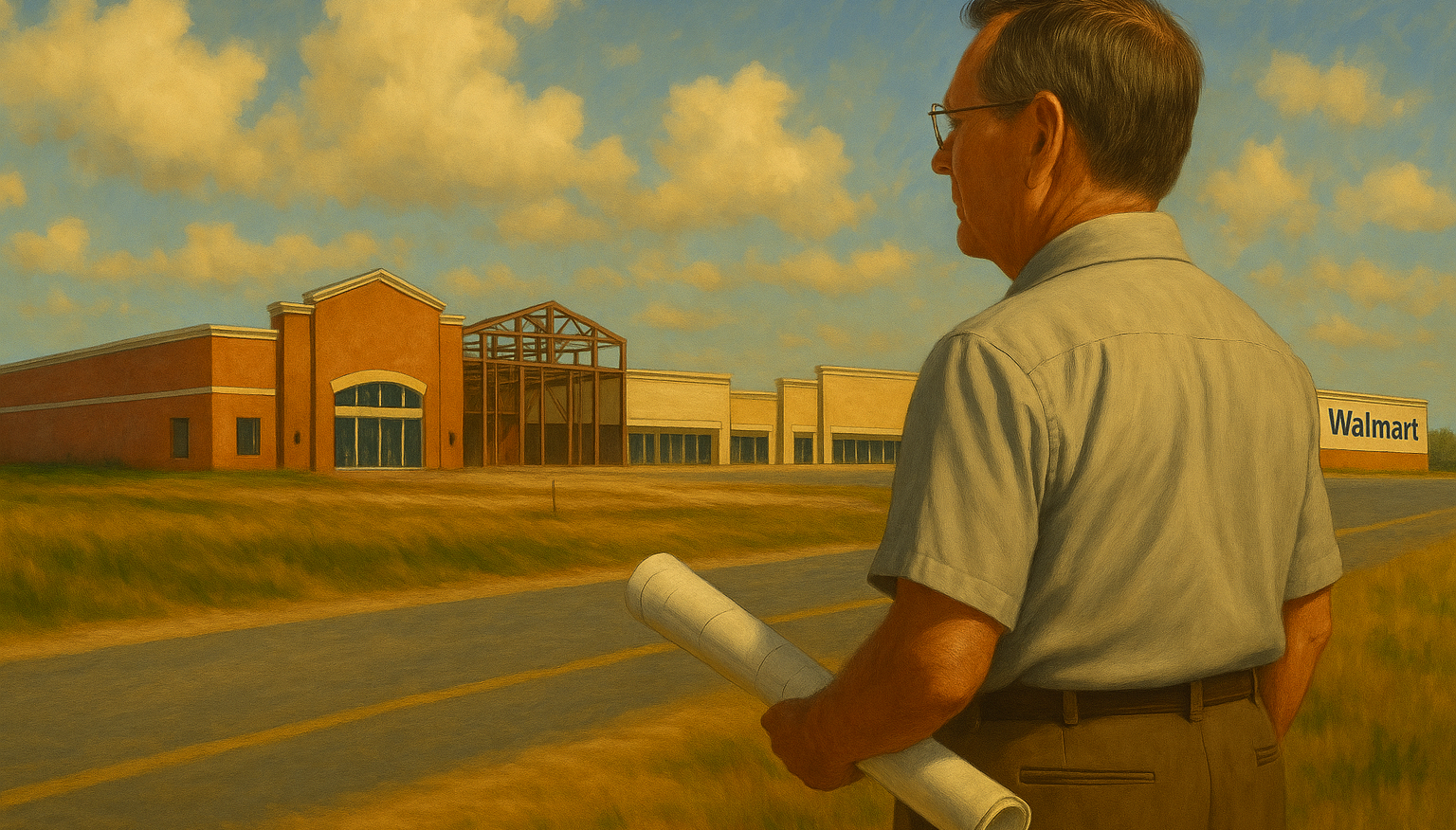
I remember walking alongside him at the construction site of Jefferson Square in De Soto — an indoor mall before malls were common in our area. The foundation was poured and the framing barely visible. During my tour it dawned on me that he saw all of these spaces as though they were already finished.
“Here’s the dress shop. Here’s the cafeteria. Over here is the Walmart.”
He saw possibilities long before anyone else could. And he taught me that resilience isn’t just about getting back up — it’s about looking ahead even when the world around you is unfinished.
Turning Obstacles into Opportunity
Of course, vision alone doesn’t guarantee success. There were seasons when setbacks threatened everything he had built. But I never saw him defeated. Instead, I saw creativity, resourcefulness, and a relentless commitment to finding solutions.
During a downturn at his Holiday Inn property, he launched “Branson On the Road,” bringing traveling musicians to perform and filling hotel rooms with bus tours. Not only did the concept work. He became lifelong friends with popular talent like Shoji Tabuchi.
His motto was simple: “Turn a minus into a plus.”
In resilience leadership, we call this adaptability. In his life, it was simply common sense, persistence, and optimism in action.
Optimism as a Daily Discipline
My father believed deeply in the power of positive thinking. Inspired by voices like Norman Vincent Peale and Dale Carnegie, he practiced gratitude long before it became a research-backed resilience habit.
Even at 100 years old, he starts each day with gratitude, humility, and encouragement for others. His optimism isn’t naïve — it’s earned through decades of adversity, reinvention, and perspective.
10 Lessons for the Next Generation
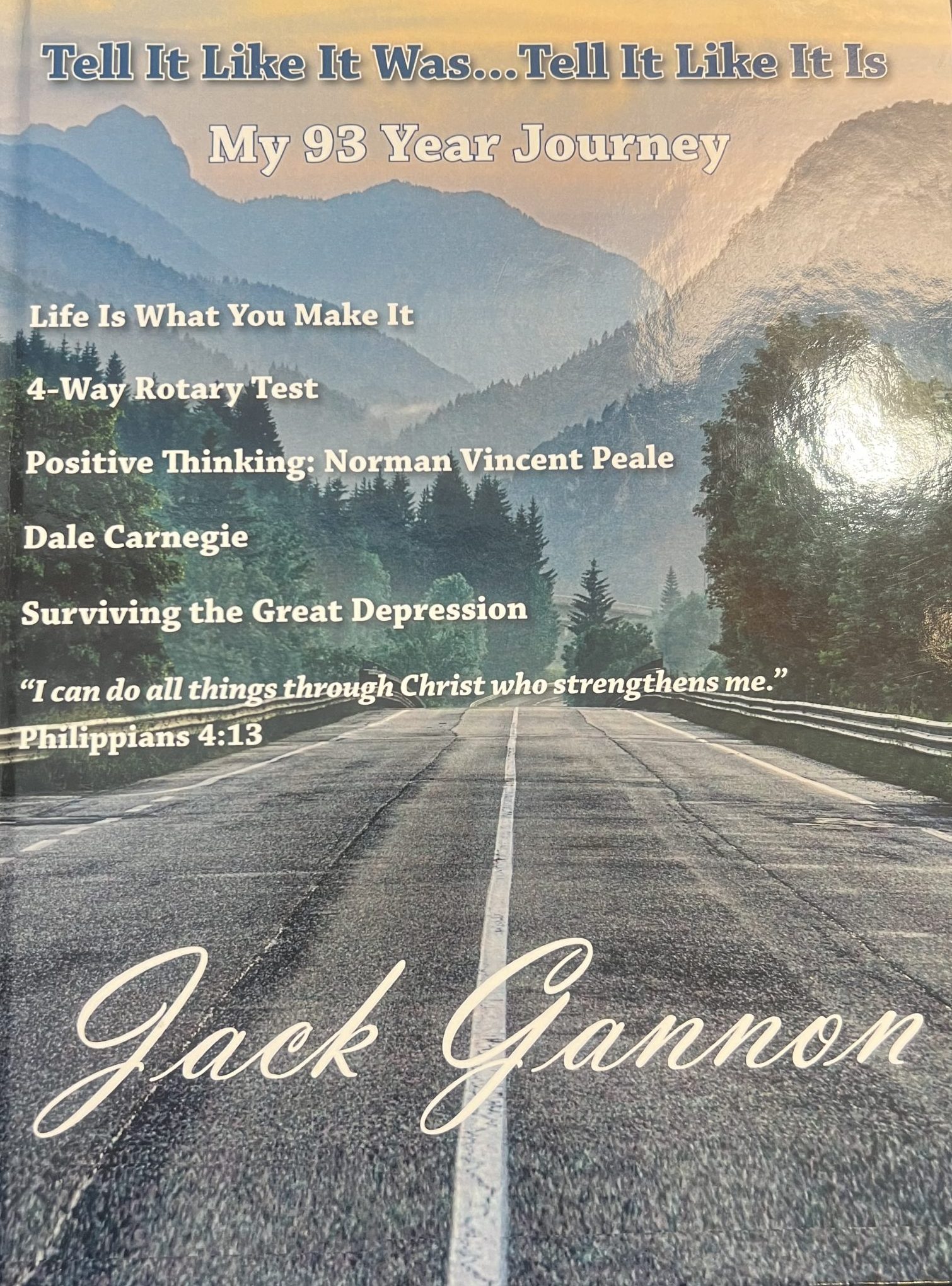
When my dad father was 93 years old, he wrote his autobiography: Tell It Like It Was. Tell It Like It is. In his book he shared advice for the next generation.
Here are the principles he continues to live by — and the ones that have shaped my own journey in risk and resilience:
1. Have a vision and dream big.
2. Be bold and take risks.
3. Work hard and persevere, even when you hear “no.”
4. Be humble and confident.
5. Be honest and keep your promises.
6. Surround yourself with people who make you better.
7. Be yourself.
8. Respect and value others.
9. Stay positive and keep moving forward.
10. Trust in God — He will never let you down. (We let Him down.)
A Legacy of Strength and Grace
In our field, we focus on business continuity, risk strategy, and crisis preparedness. But at the heart of it, resilience is personal before it is organizational. It begins with character. It grows through adversity. It thrives through gratitude and forward vision.
My father embodies these truths. His century of life is a reminder that resilience is not just a professional skill — it is a way of living, leading, and contributing to the world.
As we build systems, train teams, and design resilient futures, may we also embrace the timeless human lessons that built leaders long before resilience became a discipline.
And may we never stop believing in what can be built — one vision, one decision, and one optimistic step at a time.






Thanks for this inspiring story, Kathy. Sometimes we all need this.
Kevin, thanks. You are a great encourager!