
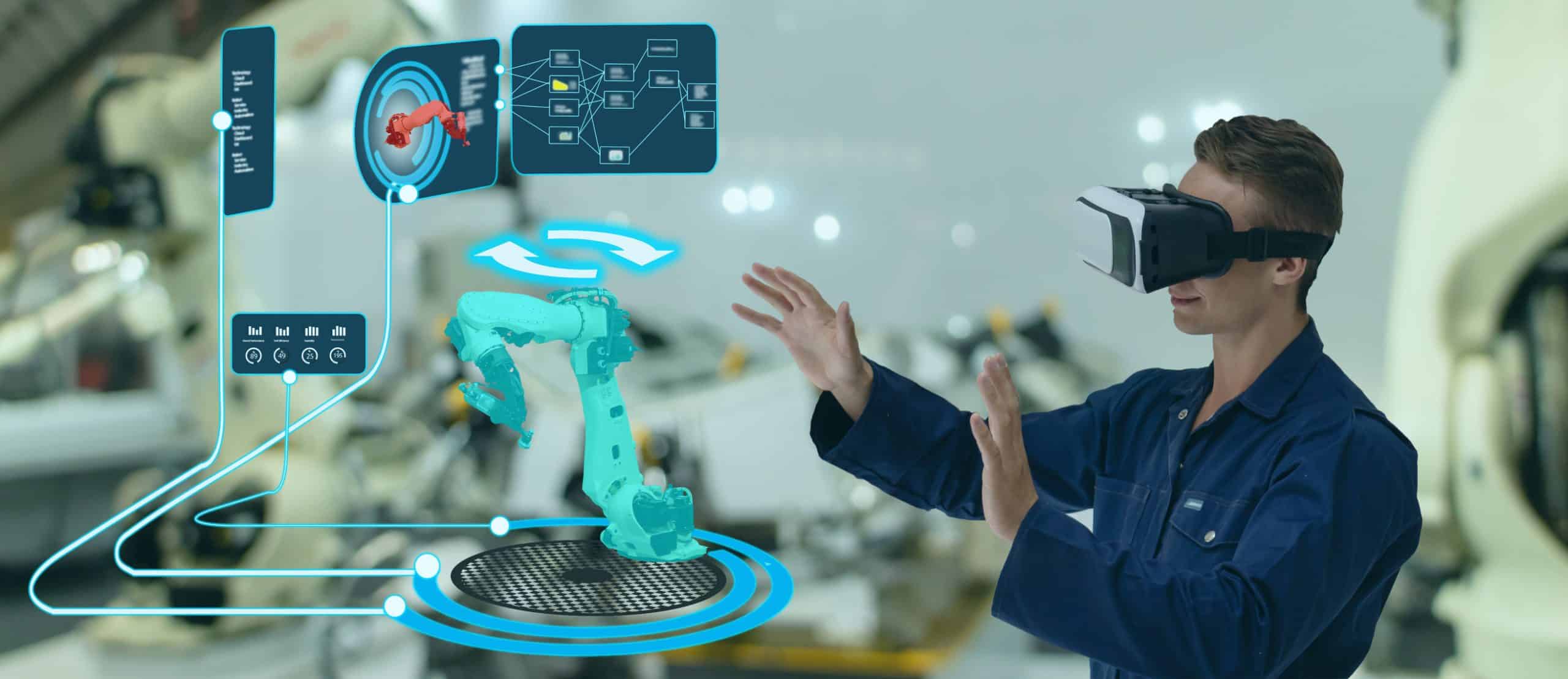
Extended reality (XR) — a term that includes virtual reality, augmented reality and mixed reality — is gaining traction across industries like manufacturing, health care, logistics and energy. From real-time virtual collaboration to immersive training simulations, it holds game-changing potential. But this shift also introduces a new layer of cybersecurity risk.
For IT leaders, cybersecurity professionals, and crisis managers working in business and industrial environments, XR systems open up new threat surfaces that conventional defenses may not fully cover. Here are seven ways to address cybersecurity challenges introduced by extended reality.
1. Strengthen Authentication and Access Controls
XR systems often handle sensitive operational data or facilitate remote control of real-world assets. That makes it crucial to verify that only the right users have access. Below are five ways to strengthen authentication and access controls in XR platforms:
- Implement multi-factor authentication: Require two or more verification steps — such as a password and a mobile app confirmation — to reduce the chances of unauthorized
- Adopt role-based access control: Limit what users can see based on job responsibilities. For example, a remote technician can only access maintenance dashboards, not internal financial systems.
- Use biometric verification: Facial recognition, voice recognition, or fingerprints can enhance security and usability, especially in headset-based XR setups.
- Apply just-in-time access controls: Grant temporary access only when necessary and revoke it automatically after task completion.
- Audit identity permissions frequently: Regularly review who has access to XR systems and remove inactive or excessive privileges.
2. Secure Data Transmission and Storage
The immersive data-rich nature of XR introduces major security risks, especially when that data travels across networks or is stored for later analysis. Here are techniques to better protect your XR-related data:
- Use end-to-end encryption: Encrypt all data from source to destination, especially in remote collaboration or simulation scenarios.
- Implement Transport Layer Security (TLS) and virtual private networks (VPNs): Secure all communications over the internet or internal networks with TLS and VPNs.
- Set up network segmentation: Separate XR systems from core networks to isolate risks and limit the blast radius of any breach.
- Apply strong data classification policies: Categorize XR-generated data like user interactions or industrial models, and apply appropriate protection levels.
- Create redundant backups: Ensure sensitive XR session data is regularly backed up and stored securely to prevent loss or tampering.
3. Address Hardware and Software Vulnerabilities
Unlike traditional enterprise devices, XR hardware such as headsets, sensors, and controllers often run on proprietary or lightly modified operating systems, making them especially vulnerable to cyber threats. Organizations must treat XR endpoints as critical assets — no different from laptops or mobile devices — when it comes to patching, hardening and monitoring. Regularly applying firmware and software updates is the first line of defense against known vulnerabilities, yet it’s one that often gets overlooked in industrial environments due to maintenance windows or fear of disrupting operations.
Beyond updates, physical security measures are essential. Disabling unused USB or peripheral ports on XR devices can help prevent tampering or unauthorized data transfer. Mobile device management solutions enable IT administrators to enforce policies across XR fleets, such as application whitelisting, encryption settings or remote lockout capabilities. Security teams should also conduct penetration tests specifically targeting XR systems to uncover unknown risks.
Even the hardware itself deserves scrutiny. Periodic inspections for tampering and ongoing inventory checks help maintain device integrity, especially in shared or field-based deployments. By adopting a full-spectrum view of XR vulnerabilities, organizations can reduce weak points and build a stronger foundation for immersive tech adoption.
4. Protect Against Social Engineering Attacks
Social engineering attacks like phishing and impersonation can be even more dangerous in XR, where users may let their guard down in immersive or fast-paced settings. Here are methods to reduce social engineering risks:
- Train XR users on threat awareness: Incorporate XR-specific examples into cybersecurity training, including how attackers may exploit avatars or voice simulation.
- Implement avatar verification tools: Use digital signatures or color-coded verification to confirm the legitimacy of participants in shared XR spaces.
- Deploy behavior monitoring: Analyze unusual interactions such as repeated information requests or simulated urgency that may signal manipulation attempts.
- Use consent-based interactions: Require mutual approval before users can share files, grant access or initiate communication in XR environments.
- Limit personal data display: Keep user profiles and metadata minimal to avoid giving attackers information they can exploit.
5. Ensure Compliance With Regulations
XR systems are subject to a patchwork of global, federal, and sector-specific regulations that govern how user data is handled and secured. Below are some ways to stay compliant:
- Map data flows: Understand where data enters, moves, and is stored in your XR workflows to align with regulations like the General Data Protection Regulation or National Institute of Standards and Technology frameworks.
- Embed privacy by design: Design XR applications with built-in privacy protections, such as consent prompts and data minimization.
- Conduct third-party risk assessments: Evaluate vendors and service providers in your XR supply chain for compliance with your security standards.
- Maintain clear documentation: Keep records of access controls, audit logs, and policy enforcement to demonstrate compliance during reviews or investigations.
- Consult regulatory experts: Work with legal and compliance teams to stay up to date on changes to privacy and cybersecurity laws affecting XR use.
6. Develop and Test Incident Response Plans
A breach involving XR platforms can be far more disorienting than one targeting conventional systems, especially if it impacts operational continuity or exposes real-time interactions. That’s why it’s critical to build incident response plans that account for the unique characteristics of XR environments.
This is particularly urgent for sectors like construction, which are fueling the rapid growth of extended reality. The XR market is projected to grow at a CAGR of nearly 58% through 2028, with construction among its top adopters. In such high-risk, data-intensive environments, an XR-related breach could stall progress on multimillion-dollar projects or compromise safety-critical workflows.
These plans should include tailored playbooks for XR-specific threats like headset hijacking, remote data leaks or denial-of-service attacks on simulation platforms. Involve cross-functional teams — IT, security, legal, HR and frontline XR users — so each group knows its role. Centralizing XR logs within SIEM platforms supports faster detection and forensic analysis.
Cyber resilience demands proactive steps to stay ahead of threats. Tabletop exercises and breach simulations pinpoint weaknesses and boost preparedness. Practicing recovery plans and maintaining clear communication ensures a faster recovery after an attack. Postmortems help refine strategies, strengthening your response to emerging XR threats.
7. Foster a Culture of Proactive Security
Technology alone isn’t enough. The most secure XR environments are supported by a company-wide commitment to vigilance and accountability. Here are five ways to cultivate a strong security culture in XR settings:
- Lead from the top: When executives prioritize cybersecurity in XR rollouts, teams are more likely to follow best practices.
- Make security a shared responsibility: Encourage every team member — not just the IT team — to report risks or unsafe behavior.
- Incentivize compliance: Tie security training completion or protocol adherence to team performance metrics or rewards.
- Integrate security into agile development: Use DevSecOps practices to address XR security early in app and experience design.
- Celebrate success stories: Publicize instances where a security-minded employee prevented an issue to promote positive reinforcement.
Secure the Future of XR
Extended reality brings powerful opportunities to business and industry, but only when security is prioritized. As it becomes central to operations and training, proactive measures like strong access controls, encryption and incident planning are key. By following these strategies, organizations can embrace XR innovation while keeping people, data and systems safe.
#####
Photo Credits: ID 147686676 © Ekkasit919 | Dreamstime.com






Leave A Comment
You must be logged in to post a comment.