
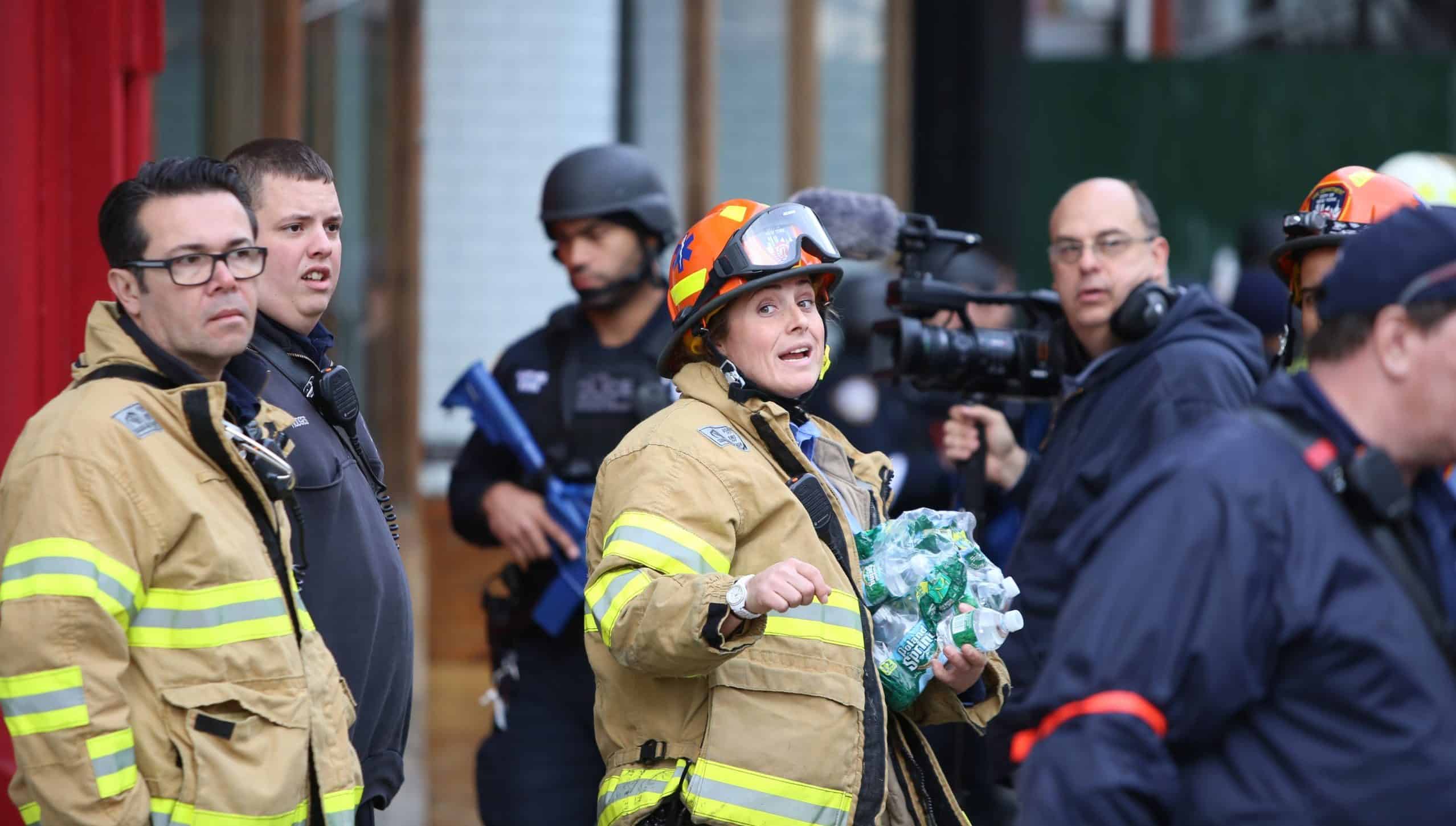
Emergency management doesn’t fail because people don’t care, don’t train, or don’t know the plans.
It fails because the systems we rely on to support decision-making degrade faster than we admit once pressure arrives.
Most post-incident conversations focus on what decision was made. Far fewer interrogate what conditions made that decision inevitable. By the time we’re debating outcomes, the real failure has already occurred upstream—in information flow, authority clarity, data quality, and cognitive load. Under pressure, decision-making doesn’t simply get harder. It changes shape.
Pressure Collapses the Decision Environment
In exercises and planning documents, decisions appear orderly. Information arrives. Options are discussed. Consensus forms. Authority is clear. Time feels elastic.
In real incidents, none of that holds. Pressure collapses the environment in predictable ways:
Information arrives late, incomplete, or contradictory. Situational awareness fragments across systems and people. Time compresses faster than coordination mechanisms can adapt. Authority blurs as organizations try to “stay aligned.”
The result is not chaos. It’s something more subtle and more dangerous: decision drift. Choices get delayed, deferred, or softened until the system feels stable again—even if conditions are actively deteriorating.
This isn’t a failure of leadership. It’s a failure of design.
Why Good Decisions Still Produce Bad Outcomes
Emergency management professionals often internalize poor outcomes as personal failures. That framing is understandable, but it’s wrong.
A “bad” outcome does not automatically mean a bad decision was made. It often means the decision was made inside a degraded system that constrained viable options long before the decision point arrived.
When:
• data is outdated or manually stitched together,
• plans exist but are too abstract to operationalize under stress,
• coordination becomes a substitute for commitment, and
• leaders are forced to choose between speed and consensus,
Then outcomes become less about judgment and more about survivability within the system.
We don’t fail because we choose poorly. We fail because we choose from a shrinking set of acceptable options—and rarely acknowledge how small that set has become.
The Hidden Role of Readiness Illusions
One of the most uncomfortable truths in emergency management is that many systems perform just well enough in low-stress environments to mask how fragile they are.
Dashboards light up. Exercises conclude successfully. Plans are referenced confidently. Everyone feels prepared.
Then pressure hits.
What looked like readiness was often familiarity. What felt like coordination was often proximity. What appeared to be clarity was often untested assumption.
Pressure strips those illusions away quickly.
And once they’re gone, decision-making shifts from proactive to defensive almost instantly.
Why This Isn’t About Better Tools
It’s tempting to frame this problem as a tooling issue. Better dashboards. Faster analytics. Smarter automation.
Those matter—but they don’t solve the core problem.
Decision quality under pressure depends on:
• whether information is structured for action, not awareness,
• whether authority is designed to survive ambiguity,
• whether trade-offs are acknowledged before they’re forced, and
• whether leaders have practiced deciding without consensus or completeness.
Tools don’t create those conditions. Systems do.
Pressure Reveals Maturity, Not Capability
Every emergency management organization has capabilities on paper. Pressure reveals maturity.
Maturity shows up in:
• how quickly irrelevant data is discarded,
• how decisively priorities are set,
• how comfortable leaders are acting without unanimity, and
• how well the organization absorbs the consequences of its own decisions.
These are not technical traits. They are systemic ones.
And they rarely improve through polite exercises, abstract plans, or retrospective explanations that focus on what happened instead of why the system behaved the way it did.
Why This Conversation Matters Now
There is a growing narrative that emergency management is entering a new era of sophistication—more data-driven, more automated, more intelligent.
That future may be coming. But pressure will not wait for it.
If we don’t interrogate how our current systems behave under stress—how decisions actually break down, not how they’re supposed to function—we risk layering new tools on top of old fragilities.
And fragility scales.
The Question We Should Be Asking
The most important question after an incident is not: “What decision did we make?”
It is: “What conditions made every other decision impossible?”
Until we design systems that can withstand pressure without collapsing into delay, diffusion, or false consensus, decision breakdowns will continue to feel surprising—even though they are anything but.
Emergency management doesn’t need perfect decisions.
It needs decision environments that remain usable when pressure strips everything else away.
###
This article was originally published on LinkedIn and is republished with permission.



Leave A Comment
You must be logged in to post a comment.